In the Spotlight...
A reciprocally masked anti-CD47/IL-2 fusion protein promotes antitumor immunity and limits systemic toxicity
The human gut microbiome primes fever after vaccination
Spatially tuned localization of interleukins and OX40 agonists enhances synergistic anti-tumor immunity
XIAP inhibition augments personalized neoantigen vaccine-driven antitumor immunity in orthotopic hepatocellular carcinoma
Previous Digests
Checkpoints for the win: neoadjuvant ICB outperforms targeted therapy in melanoma
October 14, 2026
Neoadjuvant treatment with immunotherapy and/or targeted agents has become standard of care for resectable stage IIIB-D melanoma. However, the optimal treatment regimen and the consequences for long-term survival remain largely unknown. Long et al. analyzed a large dataset of...
T-RAP – a new tool for predicting TCR-pMHC reactivity
October 7, 2026
Predicting TCR-pMHC reactivity is useful for a variety of immunotherapy research tasks, including identifying relevant neoantigens and developing vaccines. In work recently published in Immunity, Messemaker and Kwee et al. developed a TCR rapid assembly platform (T-RAP) and used...
CD4 takes the lead: IL‑21 synergizes with KRAS inhibition for durable PDAC control
September 30, 2026
Pancreatic ductal adenocarcinoma (PDAC) has proven to be a challenge for immunotherapy treatment. KRAS inhibitors have shown efficacy in PDAC, but acquired resistance is common. In a recent publication in Cell, Qiang, Hoffman, Chun, et al. investigated whether combinations...
Watch ACIR in action
In November 2019, ACIR received the Visionary Award from the Cambridge Chamber of Commerce.
Watch the 3-minute video explaining ACIR's mission and goal:
In September 2020, ACIR was featured in the documentary The American Dream on Bloomberg TV.
Watch the 6-minute segment on the story behind your favorite digest here:
About ACIR
ACIR's mission is to fast-track cancer immunotherapy research by helping researchers stay on top of the new literature in this fast-moving and multifaceted field, fostering their creativity and productivity in bringing us ever closer to curing this deadly disease.
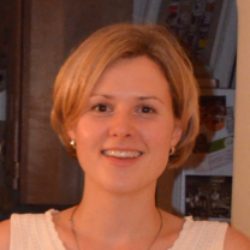
Ute Burkhardt
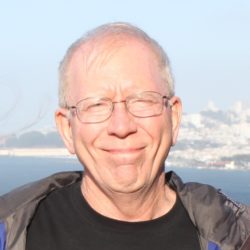
Ed Fritsch

Lauren Hitchings
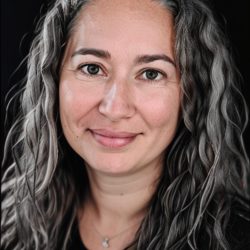
Gaëlle Llambi
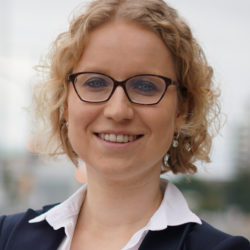
Maartje Wouters
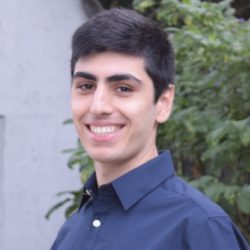
Alex Najibi
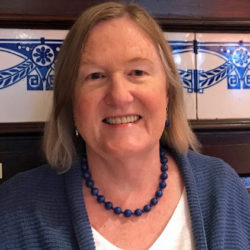
Katherine J. Turner
Stan Wolf
Paula Hochman
Shishir Pant
Nathan Suek
Morgan Janes
TESTIMONIALS
I'm a big fan of ACIR. I enjoy their weekly newsletters with clear, concise, and insightful summaries, complemented by excellent images. I've even used the images in some of my presentations to explain complex cancer immunotherapy findings. In our rapidly evolving field, their reliable and well-curated updates are invaluable.
Richard W. Vague Professor in Immunotherapy; Professor of PL&M; Director, Center for Cellular Immunotherapies; Director, Parker Institute for Cancer Immunotherapy; University of Pennsylvania Perelman School of Medicine. (Supporter since 2025).
Current Sponsors